2026 Family SUV Buying Guide: Top 5 Safety Features
Advertisements
Choosing the right vehicle for your loved ones goes far beyond cargo space and cup holders. Our 2026 Family SUV Buying Guide highlights the top five collision-prevention technologies designed to protect passengers and save you from costly dealership regret.
With automakers rolling out next-generation driver-assistance suites, knowing which crash-avoidance sensors actually perform in real-world traffic can feel overwhelming. Cutting through confusing trim packages helps you focus on proven occupant protection rather than flashy dashboard gimmicks.
Whether you are upgrading for a growing household or replacing an aging commuter, prioritizing these essential safeguards ensures genuine peace of mind on every drive. Here are the five must-have safety innovations you should verify before signing a lease or purchase agreement.
Navigating the Evolving Landscape of 2026 Family SUV Safety
The automotive industry is in a constant state of flux, with safety innovations emerging at an unprecedented pace. For families considering a new SUV in 2026, understanding these advancements is no longer a luxury but a necessity.
The emphasis on proactive safety systems has shifted, moving beyond passive protection to active accident prevention. This evolution profoundly impacts the 2026 Family SUV Buying Guide, making informed choices more critical than ever.
Our focus here is to demystify these complex technologies, presenting them in a clear, actionable format. We aim to highlight features that offer tangible benefits in real-world driving scenarios, minimizing the potential for future regret.
The Imperative of Advanced Driver-Assistance Systems (ADAS)
Advanced Driver-Assistance Systems (ADAS) are now foundational to vehicle safety, acting as extra sets of eyes and reflexes for the driver. These systems utilize an array of sensors, cameras, and radar to monitor the vehicle's surroundings.
For the 2026 Family SUV Buying Guide, a robust ADAS suite is non-negotiable. These technologies significantly reduce the likelihood of collisions and enhance overall driving safety for all occupants.
Automatic Emergency Braking (AEB) with Pedestrian and Cyclist Detection: This system automatically applies the brakes if a potential frontal collision is detected and the driver doesn't react in time, crucial for urban and suburban environments.
Lane Keeping Assist (LKA) and Lane Departure Warning (LDW): LKA actively steers the vehicle back into its lane if it drifts without a turn signal, while LDW alerts the driver to unintentional lane departures.
Blind-Spot Monitoring (BSM) with Rear Cross-Traffic Alert (RCTA): BSM warns drivers of vehicles in their blind spots, and RCTA alerts them to approaching traffic when backing out of a parking space.
These interconnected systems work synergistically to provide a comprehensive safety net, addressing common causes of accidents. Their integration into the 2026 Family SUV Buying Guide reflects their proven effectiveness in preventing incidents.
Automatic Emergency Braking (AEB) with Enhanced Detection
Automatic Emergency Braking (AEB) has become a cornerstone of modern vehicle safety, and for 2026, its capabilities are significantly enhanced. This technology is designed to prevent or mitigate frontal collisions by automatically applying the brakes when a potential impact is detected.
The evolution of AEB is particularly relevant for the 2026 Family SUV Buying Guide, as it now includes more sophisticated detection of pedestrians and cyclists. This broader detection capability is vital in diverse driving conditions, from busy city streets to quiet residential areas.
According to the National Highway Traffic Safety Administration (NHTSA), AEB systems reduce rear-end crashes by 50%. The enhanced versions for 2026 promise even greater protection, making them an indispensable feature for any family SUV.
The Critical Role of Pedestrian and Cyclist Detection
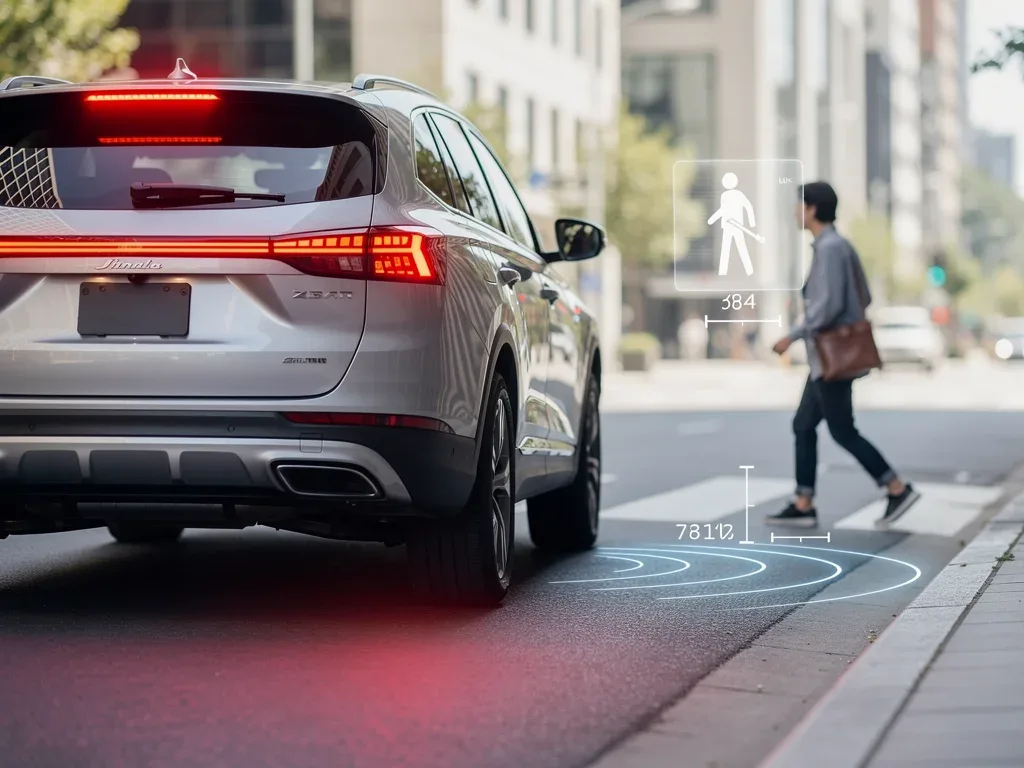
The addition of advanced pedestrian and cyclist detection to AEB systems represents a significant leap forward in urban safety. These systems use refined sensors and algorithms to differentiate between vehicles, pedestrians, and cyclists.
For families, this means an added layer of protection in areas where vulnerable road users are present, such as school zones or parks. The ability to detect and react to these specific threats is a key component of the 2026 Family SUV Buying Guide.
Improved Sensor Fusion: Combining radar, cameras, and sometimes lidar for more accurate and comprehensive environmental sensing, reducing false positives and improving reaction times.
Low-Light Performance: Enhanced capabilities to detect pedestrians and cyclists in challenging lighting conditions, such as dusk or dawn, when visibility is often reduced.
Intersection Collision Avoidance: Some advanced AEB systems are beginning to incorporate technology that helps prevent collisions when turning across traffic, a common scenario for pedestrian and cyclist accidents.
These advancements ensure that the 2026 Family SUV Buying Guide emphasizes AEB as a foundational element, protecting not just vehicle occupants but also those outside the vehicle.
Advanced Lane Keeping Systems and Blind-Spot Intervention
Maintaining lane discipline and awareness of surrounding traffic are two critical aspects of safe driving, especially for larger family SUVs. Advanced Lane Keeping Systems (LKS) and Blind-Spot Intervention (BSI) are evolving to provide even greater assistance in these areas.
These features move beyond simple warnings, offering active intervention to prevent accidents. Their inclusion is essential for the 2026 Family SUV Buying Guide, as they address common driving errors and blind spots.
The integration of these systems helps reduce driver fatigue and stress, particularly on long journeys or in heavy traffic. Reliable performance in these areas contributes significantly to overall vehicle safety and driver confidence.
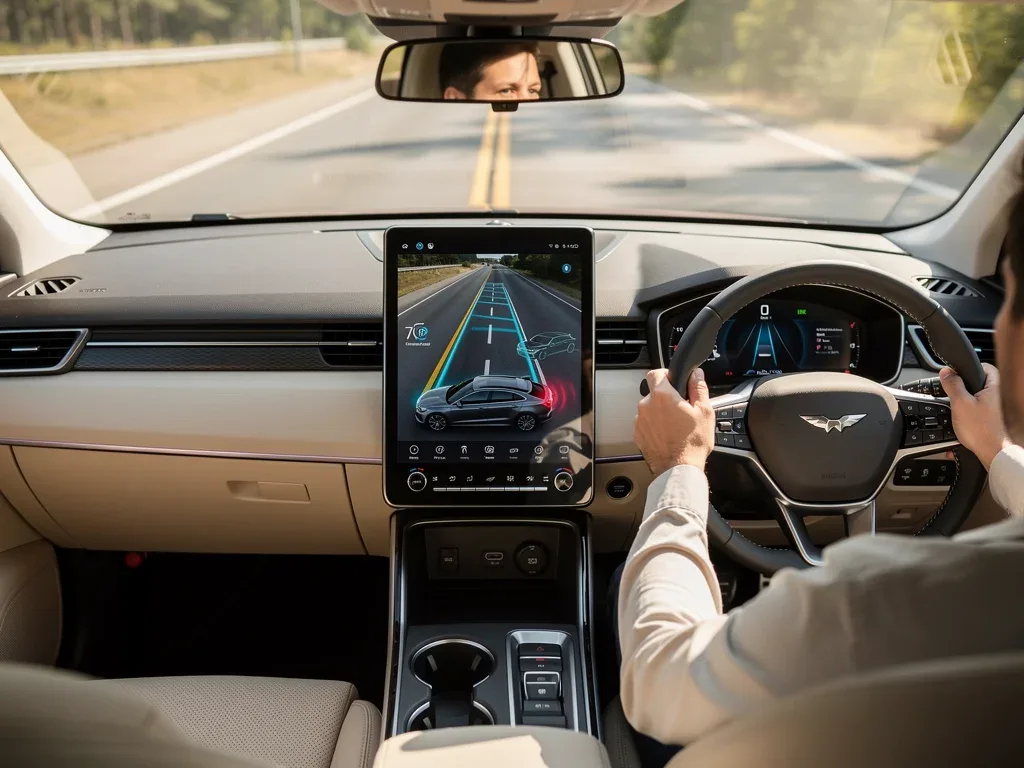
Beyond Warnings: Active Lane and Blind-Spot Assistance
Modern LKS and BSI go beyond audible or visual alerts, providing subtle steering inputs or braking to guide the vehicle safely. This proactive approach significantly enhances accident prevention.
For the 2026 Family SUV Buying Guide, look for systems that offer not just warnings but also gentle corrective actions. This level of assistance can be invaluable in preventing unintentional lane departures or side-swipe collisions.
Lane Centering Assist: This feature actively works to keep the vehicle centered within its lane, reducing the workload on the driver during highway driving.
Blind-Spot Steering Assist: If the driver attempts to change lanes while a vehicle is in their blind spot, the system can gently steer the SUV back into its original lane.
Road Edge Detection: Advanced systems can detect the edge of the road, even without lane markings, and intervene to prevent the vehicle from inadvertently leaving the pavement.
These active interventions are crucial for minimizing accident risks, solidifying their place in the 2026 Family SUV Buying Guide. They represent a significant step towards more autonomous and safer driving.
The advancements in these driver-assistance technologies are designed to complement, not replace, driver attention. They act as vigilant co-pilots, providing an additional layer of security that can be particularly reassuring for families.
Enhanced Occupant Protection with Advanced Airbag Systems
While preventative safety features aim to avoid accidents, enhanced occupant protection systems are crucial for minimizing injury severity when collisions do occur. Airbag technology continues to evolve, offering more sophisticated protection for all passengers.
The 2026 Family SUV Buying Guide must emphasize these passive safety measures, as they are the last line of defense in a crash. Modern airbag systems are tailored to occupant size and crash severity.
Innovations in airbag design and deployment strategy are continuously improving, reflecting a commitment to comprehensive safety. These advancements ensure that every occupant, from the driver to the youngest passenger, receives optimal protection.
Next-Generation Airbag Technologies
Beyond the traditional front and side airbags, 2026 family SUVs are incorporating new designs to address specific injury risks. These include front-center airbags and advanced side-curtain airbags.
For the 2026 Family SUV Buying Guide, understanding these next-generation systems is vital. They are engineered to protect against complex collision dynamics, especially in side impacts and rollovers.
Front-Center Airbag: Designed to deploy between the driver and front passenger, preventing head collisions between occupants in side-impact crashes.
Rear Seatbelt Airbags: Integrated into the rear seatbelts, these deploy to distribute crash forces over a wider area of the occupant's torso, reducing chest injuries.
Far-Side Impact Airbags: These airbags protect occupants on the non-impacted side of the vehicle in a side collision, mitigating injuries from striking the opposite interior components or other occupants.
These sophisticated airbag systems are a testament to ongoing safety research and development, making them a key consideration in the 2026 Family SUV Buying Guide: Top 5 Safety Features That Prevent Costly Regret. They underscore the importance of comprehensive passive safety in addition to active prevention.
Driver Monitoring Systems (DMS) for Fatigue and Distraction
Driver Monitoring Systems (DMS) are emerging as a vital safety feature, directly addressing the pervasive issues of driver fatigue and distraction. These systems use cameras and sensors to track the driver's attention, gaze, and head movements.
The inclusion of effective DMS is a significant point for the 2026 Family SUV Buying Guide. By alerting drivers to signs of drowsiness or inattention, DMS can prevent accidents before they even begin to unfold.
As vehicles become more automated, the role of the driver remains critical, and DMS ensures that the human element stays engaged. This technology represents a proactive approach to driver responsibility, enhancing overall road safety.
How DMS Enhances Alertness and Reduces Risk
DMS typically issues warnings through visual, auditory, or haptic feedback if it detects signs of distraction or fatigue. Some advanced systems can even integrate with other vehicle functions, such as gentle braking or lane keeping assistance.
For families, this means an added layer of security, particularly during long road trips or late-night driving. The proactive nature of DMS positions it as a key feature in the 2026 Family SUV Buying Guide.
Eye-Tracking Technology: Monitors the driver's eye movements to detect drowsiness or if their gaze is consistently away from the road.
Head Position Monitoring: Tracks head orientation to identify signs of nodding off or excessive distraction towards the infotainment system or passengers.
Micro-Sleep Detection: Advanced algorithms can identify very brief periods of unconsciousness (micro-sleeps) and alert the driver immediately.
The ability of DMS to actively monitor and intervene to prevent driver-induced accidents makes it a compelling safety feature for any family SUV. It is an investment in continuous driver vigilance, a cornerstone of the 2026 Family SUV Buying Guide.
Connected Car Safety Features and Over-the-Air Updates
The rise of connected car technology brings a new dimension to vehicle safety, offering features that go beyond the traditional physical components of an SUV. These systems leverage cellular and internet connectivity to provide real-time safety benefits.
For the 2026 Family SUV Buying Guide, connected car safety features like automatic collision notification and vehicle-to-everything (V2X) communication are increasingly important. They offer crucial support in emergencies and improve situational awareness.
Furthermore, over-the-air (OTA) updates ensure that your SUV's safety software remains current, receiving improvements and bug fixes without a visit to the dealership. This continuous improvement model is a significant advantage for long-term safety.
Real-time Assistance and Future-Proofing Safety
Connected safety features offer immediate assistance in the event of a crash, potentially saving lives by rapidly dispatching emergency services. V2X communication, while still developing, promises to revolutionize accident prevention by allowing vehicles to communicate with each other and infrastructure.
These capabilities are integral to a forward-thinking 2026 Family SUV Buying Guide. They ensure that your vehicle is part of a larger, intelligent safety network.
Automatic Collision Notification (ACN): In the event of a crash, the vehicle automatically alerts emergency services with its location and crash data, even if occupants are incapacitated.
Stolen Vehicle Recovery: While not directly crash-preventative, this feature contributes to overall security and peace of mind for families.
Over-the-Air (OTA) Updates for Safety Systems: Allows manufacturers to push software updates and improvements for ADAS, infotainment, and other safety-critical systems directly to the vehicle.
The integration of connected car technology and OTA updates ensures that your family SUV's safety features are not static but evolve over time. This makes them a fundamental aspect of the 2026 Family SUV Buying Guide, offering both immediate and future benefits.
The Importance of Crash Test Ratings and Structural Integrity
While advanced technology plays a significant role in accident prevention, the fundamental structural integrity of a vehicle and its performance in crash tests remain paramount. High crash test ratings from organizations like the IIHS and NHTSA are non-negotiable for a family SUV.
For the 2026 Family SUV Buying Guide, understanding these ratings provides an objective measure of a vehicle's ability to protect occupants in a collision. These tests simulate various real-world crash scenarios, offering valuable insights into structural design and occupant restraint systems.
A strong safety cage, crumple zones, and well-engineered chassis are foundational to protecting occupants. These passive safety elements work in conjunction with active systems to provide comprehensive protection.
Deciphering IIHS and NHTSA Ratings
The Insurance Institute for Highway Safety (IIHS) and the National Highway Traffic Safety Administration (NHTSA) conduct rigorous crash tests and evaluate vehicle safety features. Their ratings are crucial indicators of a vehicle's overall safety performance.
When consulting the 2026 Family SUV Buying Guide, always prioritize models that achieve top ratings from both organizations. These ratings reflect a manufacturer's commitment to robust engineering and occupant safety.
IIHS Top Safety Pick+ Award: The highest award from IIHS, requiring good ratings in all crashworthiness tests, advanced or superior ratings for front crash prevention, and acceptable or good headlight ratings.
NHTSA 5-Star Safety Rating: A comprehensive rating system covering frontal crash, side crash, and rollover resistance.
Child Seat LATCH System Ease of Use: Both organizations also evaluate the ease of use for child seat installation, a critical factor for families.
These independent ratings provide an unbiased assessment of an SUV's ability to protect occupants, making them a cornerstone of the 2026 Family SUV Buying Guide. Relying on these verified sources ensures you choose a vehicle with proven protection.
Integrating Safety into Your 2026 SUV Purchase Decision
Making an informed decision about a family SUV in 2026 requires a holistic view of safety. It's not just about one feature, but how all systems work together to create a secure environment for your loved ones.
The 2026 Family SUV Buying Guide emphasizes that safety should be at the forefront of your considerations. Prioritizing these features can significantly reduce risks and provide invaluable peace of mind.
Consider your family's specific needs and driving habits when evaluating different models. The right blend of active prevention, passive protection, and connected features will offer the most comprehensive safety solution.
Prioritizing Features for Your Family's Needs
Every family has unique requirements, and safety features should align with these. For instance, families with young children might prioritize advanced child seat anchors and rear occupant alerts.
The 2026 Family SUV Buying Guide is designed to help you weigh these options. It encourages a thoughtful assessment of how each safety technology contributes to your family's specific driving scenarios.
Test Drive with Safety in Mind: Pay attention to how ADAS systems operate during your test drive; ensure they feel intuitive and provide appropriate feedback.
Research Recalls and Reliability: Check for any safety-related recalls for the specific model year and research the brand's overall reliability record.
Understand Standard vs. Optional Features: Be clear on which safety features come standard and which require additional packages, as these can impact the final cost.
By meticulously researching and prioritizing safety features, you can confidently navigate the 2026 Family SUV Buying Guide. This proactive approach ensures a purchase that delivers long-term security and satisfaction.
Key Safety Feature | Benefit for Families |
|---|---|
Enhanced AEB | Prevents frontal collisions, detects pedestrians/cyclists. |
Active Lane/Blind-Spot | Reduces lane departure and side-swipe accident risks. |
Advanced Airbag Systems | Offers superior occupant protection in various crash types. |
Driver Monitoring | Alerts to fatigue/distraction, preventing driver-induced errors. |
Frequently Asked Questions About 2026 Family SUV Safety
What is the most important safety feature to look for in a 2026 family SUV?▼
Automatic Emergency Braking (AEB) with pedestrian and cyclist detection is arguably the most critical feature. It actively prevents collisions, significantly reducing accident severity and protecting vulnerable road users, making it a cornerstone of the 2026 Family SUV Buying Guide.
Are connected car safety features truly beneficial for families?▼
Yes, connected car features like Automatic Collision Notification (ACN) provide immediate assistance in emergencies, potentially saving lives. Over-the-air updates also ensure your SUV's safety software remains current, offering long-term protection and peace of mind for families.
How do I know if a 2026 SUV's safety features are effective?▼
Always consult independent crash test ratings from organizations like the IIHS (Insurance Institute for Highway Safety) and NHTSA (National Highway Traffic Safety Administration). Their comprehensive evaluations and awards, such as the Top Safety Pick+, offer objective verification of a vehicle's safety performance.
Should I prioritize active or passive safety features in my buying decision?▼
Both active (preventative) and passive (protective) safety features are crucial. Active features like ADAS prevent accidents, while passive features like advanced airbags minimize injury during a collision. A balanced approach, as highlighted in the 2026 Family SUV Buying Guide, provides comprehensive protection.
What role does Driver Monitoring Systems (DMS) play in family SUV safety?▼
DMS actively monitors driver attention and fatigue, issuing alerts to prevent accidents caused by distraction or drowsiness. This proactive technology is an increasingly important component of family SUV safety, especially for long journeys, and is a key feature in the 2026 Family SUV Buying Guide.
What this means
The 2026 Family SUV Buying Guide underscores a critical shift towards integrated and proactive safety technologies. This guide illuminates the essential features that will define vehicle security in the coming year, moving beyond traditional safety measures. Prospective buyers must prioritize these advancements to ensure their families benefit from the highest levels of protection available.
Looking ahead, the evolution of ADAS, enhanced occupant protection, and connected car capabilities will continue to reshape automotive safety standards.
Consumers should remain vigilant, monitoring updates from regulatory bodies and manufacturers. The decisions made today regarding these safety features will have lasting implications for security on the road.
This continuous development means that what constitutes 'top safety' is a moving target, demanding ongoing attention from both industry and consumers. The focus on preventing costly regret through informed choices about safety features will only intensify as technology progresses, making this 2026 Family SUV Buying Guide a vital resource.