Home Battery Storage Buying Guide: Evaluating 10kWh to 20kWh Units for Outage Protection
Advertisements
Imagine watching your entire neighborhood go dark during a major storm, while your lights, refrigerator, and essential appliances stay seamlessly powered on. Navigating your options doesn't have to be overwhelming—this Home Battery Storage Buying Guide helps you make sense of modern energy resilience before the next blackout strikes.
A standard 10kWh to 20kWh backup power system has quickly become the sweet spot for most American households. These mid-capacity residential energy storage units balance real-world performance with cost-efficiency, keeping critical circuits running for hours—or even days—when grid disruptions happen.
Whether you want to pair backup batteries with solar panels or secure standalone emergency power, choosing the right system requires understanding capacity, output, and long-term value. Let's break down everything you need to know to make a smart, future-proof investment for your home.
Understanding the Need for Home Battery Storage
Power outages, whether due to severe weather, aging infrastructure, or increased demand, are becoming more frequent across the United States. A reliable home battery storage system provides an essential buffer, ensuring continuous power supply when the grid fails. This proactive approach safeguards comfort, critical appliances, and potentially, home safety.
Beyond emergency backup, home battery storage also offers advantages in energy management, particularly for those with solar panel installations.
Storing excess solar energy generated during the day for use at night or during peak demand periods can significantly reduce electricity bills. This dual functionality makes home battery storage a smart investment for many.
Evaluating your household's specific energy needs is the first step in this Home Battery Storage Buying Guide. Understanding daily consumption and critical load requirements will inform the appropriate battery capacity. This foundational knowledge is crucial for selecting a system that delivers adequate protection and value.
Why Outage Protection is Critical
The economic and personal impact of power outages can be substantial, from spoiled food and disrupted work to safety concerns. A robust home battery storage solution mitigates these risks, providing peace of mind and maintaining essential services. This resilience is increasingly valued by homeowners.
Furthermore, regions experiencing grid instability or those with time-of-use electricity rates benefit greatly from energy independence. A home battery storage system allows for strategic energy use, reducing reliance on the grid during its most vulnerable or expensive periods. This contributes to both financial savings and enhanced security.
Ensures continuous power for critical appliances during outages.
Protects against financial losses from spoiled food or business disruption.
Provides safety and security by maintaining lighting and communication systems.
Key Considerations for 10kWh to 20kWh Units
When evaluating home battery storage units in the 10kWh to 20kWh range, several technical and practical factors come into play. This capacity range is often ideal for homes seeking comprehensive backup for essential circuits, and sometimes even whole-home backup for shorter durations. Understanding these specifics is paramount for making an informed decision.
Battery chemistry, particularly lithium-ion variants like LiFePO4 (Lithium Iron Phosphate), significantly impacts performance, lifespan, and safety. LiFePO4 batteries are generally preferred for their stability and longer cycle life, offering a better long-term investment. This chemical composition is a core element in a comprehensive Home Battery Storage Buying Guide.
Inverter compatibility and system integration with existing solar setups or smart home energy management systems are also critical. A seamless integration ensures optimal performance and efficiency, maximizing the benefits of your home battery storage investment. Compatibility issues can lead to reduced efficiency or costly modifications.
Battery Capacity and Power Output Explained
Capacity (measured in kWh) dictates how much energy the battery can store, while power output (measured in kW) determines how many appliances it can run simultaneously.
A 10kWh battery can power essential circuits for an extended period, while a 20kWh unit offers more comprehensive whole-home backup for several hours or even days, depending on consumption. It's crucial to differentiate these metrics as part of your Home Battery Storage Buying Guide.
For example, a typical refrigerator might draw 0.1-0.2 kW, while a central air conditioner could draw 3-5 kW. A 10kWh battery might sustain essential loads for 12-24 hours, whereas a 20kWh battery could extend that duration or power more demanding appliances. Proper sizing prevents under-powering or overspending on unnecessary capacity.
10kWh Capacity: Suitable for critical loads like refrigeration, lighting, and communication for 1-2 days.
20kWh Capacity: Can support a wider range of appliances, including some larger loads, for longer durations.
Power Output: Determines instantaneous load handling; ensure it matches peak household demand.
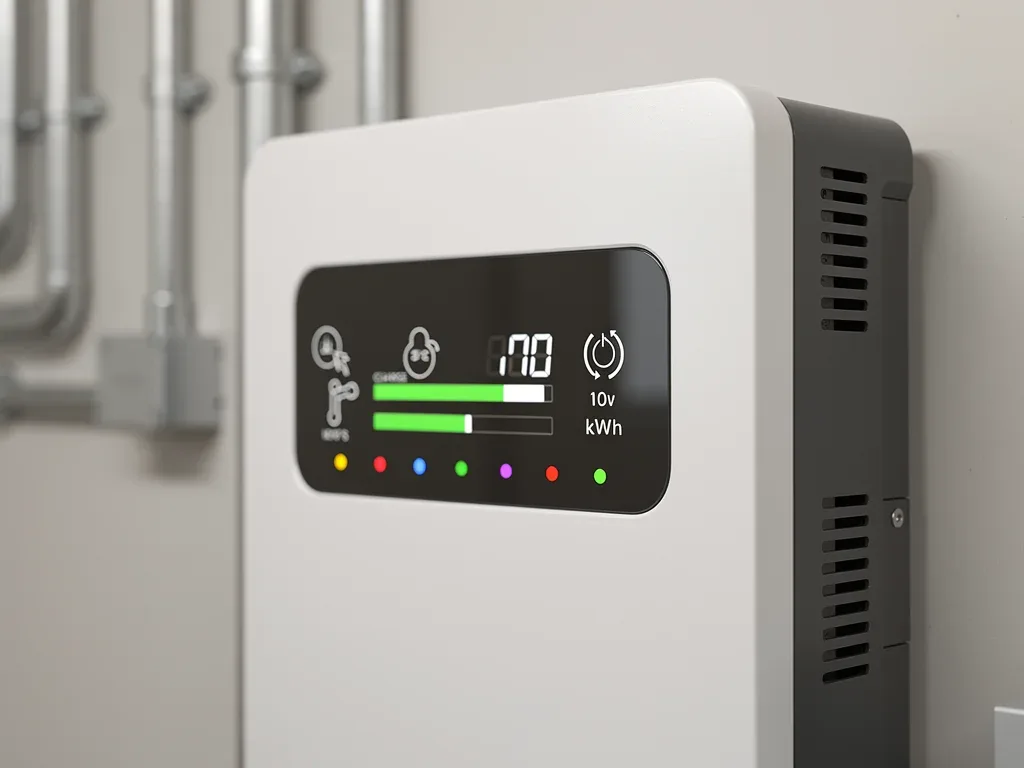
Evaluating Different Battery Technologies
The market for home battery storage is dominated by various lithium-ion chemistries, each with distinct advantages and considerations. Understanding these differences is crucial for selecting a system that aligns with your priorities regarding safety, longevity, and cost. This detailed evaluation is a cornerstone of this Home Battery Storage Buying Guide.
Lithium Iron Phosphate (LiFePO4) batteries are gaining significant traction due to their enhanced safety profile, longer cycle life, and thermal stability compared to other lithium-ion variants. While they might have a slightly lower energy density, their durability often outweighs this for residential applications. This makes them a strong contender in the 10kWh to 20kWh market segment.
Other chemistries, such as Nickel Manganese Cobalt (NMC), offer higher energy density, allowing for more compact designs. However, they typically come with a higher cost and potentially shorter lifespans under frequent deep cycling. A thorough Home Battery Storage Buying Guide must weigh these trade-offs carefully.
Lifespan and Warranty: Long-Term Investment
The lifespan of a home battery storage unit is typically measured in cycles (charge/discharge events) and years. Most manufacturers offer warranties based on a certain number of cycles or a fixed period, usually 10 years, whichever comes first. A robust warranty is indicative of manufacturer confidence in their product.
A battery with a higher cycle life, such as those exceeding 6,000 cycles for LiFePO4, suggests a longer operational lifespan and better return on investment. It is important to read warranty terms carefully, as some may have specific conditions regarding depth of discharge or environmental factors. This ensures your home battery storage unit performs as expected over time.
Cycle Life: Aim for batteries with 6,000+ cycles for long-term durability.
Warranty Period: Look for at least a 10-year warranty covering capacity degradation.
Depth of Discharge (DoD): Understand how DoD affects warranty and battery longevity.
Installation and System Integration
The successful implementation of a home battery storage system goes beyond just selecting the right unit; professional installation and seamless system integration are equally important.
These aspects ensure optimal performance, safety, and compliance with local electrical codes. A comprehensive Home Battery Storage Buying Guide must emphasize these practicalities.
Choosing a certified and experienced installer is crucial. They will assess your home's electrical infrastructure, determine the best placement for the battery, and handle all necessary permits and inspections. Proper installation prevents potential hazards and ensures the system operates efficiently, maximizing your investment in home battery storage.
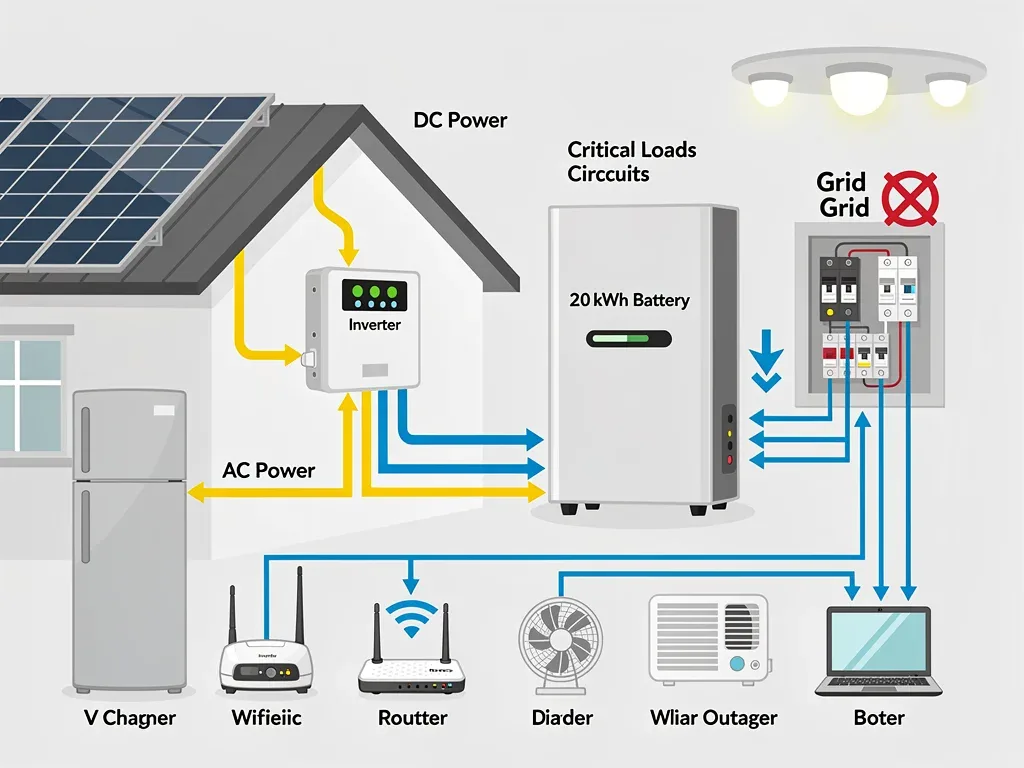
Integration with existing solar panels, smart home energy management systems, or even electric vehicle (EV) chargers can enhance the overall utility of your battery.
This connectivity allows for intelligent energy routing, optimizing both consumption and generation. A well-integrated system maximizes both energy independence and potential cost savings.
Solar Compatibility and Grid Interaction
For homes with solar panels, integrating a home battery storage unit is a natural progression. The battery stores surplus solar energy, making it available when solar production is low or during grid outages. This maximizes self-consumption and reduces reliance on grid electricity, offering greater energy independence. This synergy is a key benefit of a modern home battery storage setup.
The battery system also needs to interact smoothly with the grid, whether for charging during off-peak hours or for selling excess energy back to the utility (if permitted).
Understanding local net metering policies and utility interconnection requirements is essential. This ensures your home battery storage system operates legally and efficiently within the broader energy ecosystem.
Hybrid Inverters: Essential for seamless integration with solar PV systems.
Net Metering: Understand local policies for selling excess energy back to the grid.
Permitting: Ensure all local electrical codes and permits are secured by your installer.
Cost, Incentives, and Return on Investment
The initial investment in a home battery storage system, particularly units ranging from 10kWh to 20kWh, can be significant. However, various incentives, along with long-term savings, can make these systems financially attractive. A thorough Home Battery Storage Buying Guide must address these financial considerations comprehensively.
Federal tax credits, such as the Investment Tax Credit (ITC), can significantly offset the upfront cost for systems paired with solar. Many states and local utilities also offer rebates or performance-based incentives, further reducing the net expense. Researching these programs is a critical step in assessing the overall affordability.
Calculating the return on investment (ROI) involves weighing the upfront costs against potential savings on electricity bills, the value of outage protection, and any applicable incentives.
For many homeowners, the peace of mind and energy independence offered by home battery storage are invaluable benefits that extend beyond mere financial calculations.
Federal and State Incentives
The federal Investment Tax Credit (ITC) offers a substantial reduction in the cost of solar-plus-storage systems. Currently, it provides a 30% tax credit for eligible installations, making a significant impact on the overall expense. This credit is a major driver for homeowners considering home battery storage.
Beyond federal programs, numerous states offer their own incentive programs, including rebates, property tax exemptions, or performance-based incentives.
For example, California's Self-Generation Incentive Program (SGIP) provides significant rebates for energy storage. Consulting with local energy experts or your installer about available programs is highly recommended to maximize savings on your home battery storage purchase.
Federal ITC: Up to 30% tax credit for solar-paired battery storage.
State Rebates: Check state-specific programs like California's SGIP.
Utility Incentives: Some utilities offer specific programs for grid-tied battery systems.
Leading Home Battery Storage Brands and Models
The market for home battery storage is competitive, with several reputable brands offering high-quality 10kWh to 20kWh units. Each brand brings unique features, warranty terms, and integration capabilities to the table. This section of the Home Battery Storage Buying Guide highlights some of the leading options available to consumers.
Tesla Powerwall, Generac PWRcell, and Enphase Encharge are among the most recognized names, known for their robust performance and integration with solar ecosystems. Exploring their specific capacities, power outputs, and unique functionalities is crucial for matching a system to your individual needs. These brands represent the forefront of home battery storage technology.
Newer entrants and established electrical equipment manufacturers are also expanding their offerings, providing more choices and competitive pricing.
Researching user reviews, independent performance tests, and professional installer feedback can provide valuable insights into real-world performance and reliability. This ensures a well-rounded evaluation of your home battery storage options.
Comparative Analysis of Top Units
When comparing top home battery storage units, factors like usable capacity, continuous power output, peak power output, and round-trip efficiency are paramount.
For instance, a 13.5 kWh Tesla Powerwall offers seamless integration with Tesla solar, while a modular Generac PWRcell can scale up to 36 kWh, providing significant flexibility for diverse energy needs. Each unit has its strengths within the context of a comprehensive Home Battery Storage Buying Guide.
Enphase Encharge systems, designed for microinverter-based solar setups, offer modularity and robust monitoring capabilities. Other brands like LG Energy Solution and Sonnen also provide competitive options with varying features and price points. A detailed comparison of these specifications against your specific requirements is essential for making an optimal choice for your home battery storage.
Tesla Powerwall: Integrated solution, high power output, strong brand recognition.
Generac PWRcell: Modular, scalable capacity, robust for whole-home backup.
Enphase Encharge: Seamless microinverter integration, modular design, excellent monitoring.
Future Trends in Home Battery Storage
The home battery storage market is rapidly evolving, driven by technological advancements, increasing consumer demand, and supportive policies. Understanding these emerging trends is crucial for making a future-proof investment. This forward-looking perspective is an integral part of this Home Battery Storage Buying Guide.
Improvements in battery chemistry promise even greater energy density, longer lifespans, and reduced costs, making home battery storage more accessible to a wider audience. The development of solid-state batteries, for instance, could revolutionize safety and performance. These innovations are continuously shaping the landscape of home energy solutions.
Enhanced smart home integration and grid services are also on the horizon, allowing batteries to participate more actively in demand response programs and virtual power plants. This not only offers additional revenue streams for homeowners but also contributes to grid stability. The future of home battery storage is increasingly interconnected and intelligent.
Smart Grid Integration and VPPs
The concept of Virtual Power Plants (VPPs) is gaining traction, where a network of distributed energy resources, including home battery storage systems, are aggregated to provide grid services.
This allows homeowners to earn revenue by allowing their batteries to discharge power back to the grid during peak demand, supporting grid stability. This represents a significant evolution in how home battery storage interacts with the broader energy infrastructure.
Smart grid integration enables batteries to respond dynamically to grid signals, optimizing charging and discharging cycles based on electricity prices, grid demand, and renewable energy availability. This intelligent management maximizes both economic benefits and environmental impact. The role of home battery storage is expanding beyond simple backup.
Demand Response: Batteries automatically adjust usage based on grid needs and pricing.
Virtual Power Plants: Aggregated home batteries contribute to grid stability and revenue generation.
AI-Powered Management: Sophisticated algorithms optimize battery performance and savings.
Key Point | Brief Description |
|---|---|
Capacity Needs | Evaluate 10kWh to 20kWh based on critical loads and desired backup duration. |
Battery Chemistry | LiFePO4 offers superior safety, longevity, and thermal stability for home use. |
Installation & Integration | Professional installation and seamless solar/grid integration are crucial for optimal performance. |
Financial Incentives | Leverage federal and state incentives to reduce upfront costs and improve ROI. |
Frequently Asked Questions About Home Battery Storage
What capacity home battery storage do I need for outage protection?▼
The ideal capacity, typically between 10kWh and 20kWh, depends on your critical loads and desired backup duration. A 10kWh unit can power essentials for a day or two, while 20kWh offers more extensive whole-home backup. Assess your daily energy consumption and prioritize essential appliances to determine the right size for your home battery storage needs.
Are home battery storage systems safe?▼
Modern home battery storage systems, especially those using LiFePO4 chemistry, are designed with multiple safety features. Proper professional installation according to local codes is paramount to ensure safe operation. Manufacturers adhere to strict safety standards to prevent issues. Always choose certified products and installers for your home battery storage.
How long do home battery storage units last?▼
Most home battery storage units come with a 10-year warranty, often guaranteeing a certain number of charge/discharge cycles (e.g., 6,000+). Lifespan depends on usage patterns, depth of discharge, and battery chemistry. LiFePO4 batteries generally offer a longer cycle life compared to other lithium-ion types, providing extended reliability for your home battery storage.
Can home battery storage work without solar panels?▼
Yes, home battery storage systems can operate independently of solar panels. They can charge directly from the grid, often during off-peak hours when electricity rates are lower, and then provide power during peak times or outages. While solar integration enhances efficiency, it's not a prerequisite for enjoying the benefits of home battery storage for outage protection.
What incentives are available for home battery storage in the U.S.?▼
Homeowners in the U.S. can benefit from the federal Investment Tax Credit (ITC), which offers a 30% tax credit for solar-paired battery storage systems. Additionally, many states and local utilities provide specific rebates, grants, or performance-based incentives. Researching these programs is essential to reduce the overall cost of your home battery storage investment.
What this means
The increasing frequency of power outages underscores the growing importance of a robust home battery storage solution for American households. This Home Battery Storage Buying Guide highlights that informed decision-making is key to securing reliable power. As technology advances and incentives evolve, the landscape for home energy independence continues to expand.
Homeowners should stay abreast of new developments, consult with certified professionals, and meticulously evaluate their specific needs to choose a system that offers both immediate protection and long-term value. The shift towards greater energy resilience is not just a trend but a critical investment in household security and sustainability.