Induction Range Buying Guide: Essential 40-Amp Compatibility Checklist
Advertisements
Ready to upgrade your culinary setup to ultra-fast magnetic precision? Investing in a modern Induction Range brings professional-grade cooking to your kitchen, but seamless installation requires verifying your home's electrical infrastructure before delivery day.
Installing these high-performance magnetic cooktops typically demands a dedicated 240-volt line with sufficient breaker headroom. Verifying panel capacity, wire gauge compatibility (such as 8 AWG copper), and receptacle configuration ensures your household grid safely handles simultaneous burner usage and rapid heating features.
Prevent costly electrical surprises and installation delays by auditing your breaker box ahead of time. Here is your essential 40-amp compatibility checklist to guarantee your power setup is ready for modern induction technology.
Understanding Induction Range Electrical Requirements
Induction ranges are highly efficient cooking appliances, but they require a significant amount of power. Most models, especially full-sized units with multiple burners and an oven, necessitate a dedicated 240-volt circuit with a 40-amp or 50-amp breaker.
This power requirement is crucial because insufficient amperage can lead to tripped breakers, appliance damage, or even electrical hazards. Verifying your home's electrical capacity is therefore the first and most important step in any induction range 40-amp buying process.
Failing to address these electrical specifications upfront can result in unexpected costs and delays during installation. A thorough understanding of these demands is fundamental to a successful appliance upgrade.
Why 40-Amp or 50-Amp is Standard
The high power consumption of an induction range stems from its advanced heating technology. Unlike traditional electric coils, induction uses electromagnetic fields to directly heat cookware, which demands a robust and stable power supply for instantaneous and precise temperature control.
A 40-amp or 50-amp circuit provides the necessary current to power all elements simultaneously, including the oven and multiple cooktop zones, without overloading the system. This ensures the appliance operates safely and at peak efficiency, delivering the cooking performance you expect from an induction range.
Power Demands: Induction ranges can draw up to 8,000-12,000 watts, requiring a high-current circuit.
Safety Standards: Electrical codes mandate specific amperage for high-draw appliances to prevent overheating and fire risks.
Optimal Performance: Proper amperage ensures all features of the induction range function correctly and simultaneously.
Without adequate amperage, the induction range may not heat properly, or its protective mechanisms could frequently trip the circuit breaker. This is why verifying induction range 40-amp compatibility is non-negotiable for a hassle-free experience.
Locating Your Electrical Panel and Circuit Breakers
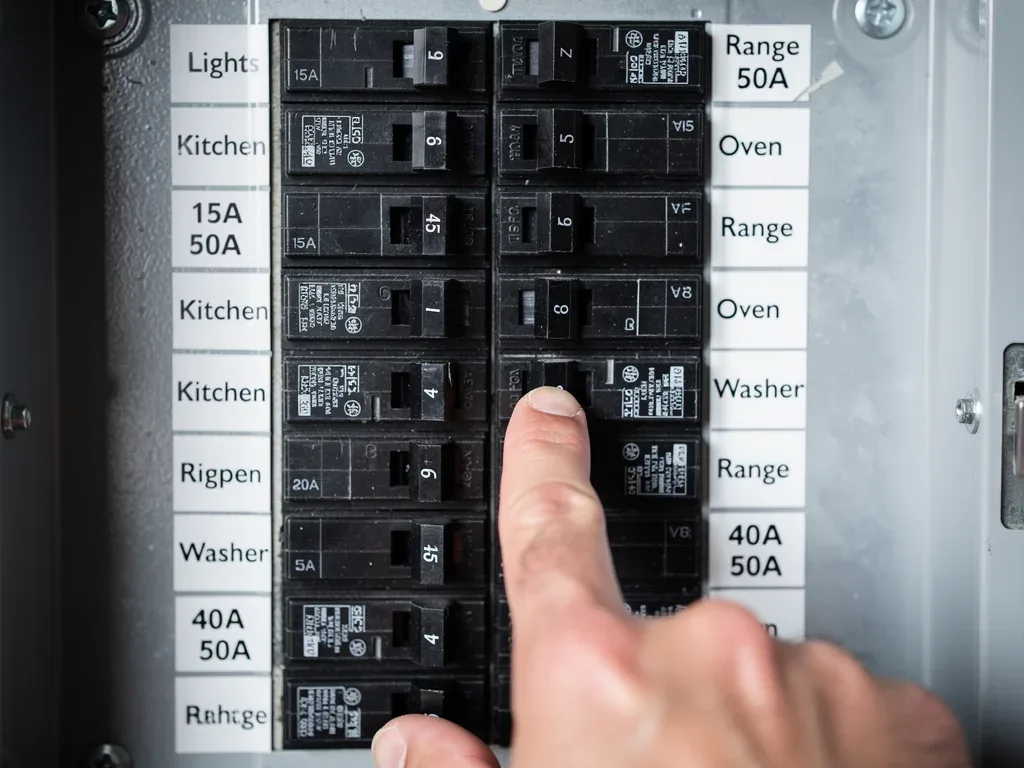
The first practical step in verifying compatibility is to locate your home's main electrical panel, also known as the breaker box. This panel houses all the circuit breakers that protect your home's electrical circuits from overloads and short circuits.
Typically, the electrical panel is found in a basement, garage, utility room, or sometimes a large closet. Once located, you will need to examine the labels on the breakers to identify the circuit designated for your current range or oven.
Understanding the layout and labeling of your electrical panel is fundamental for any homeowner. This knowledge is not only important for an induction range 40-amp assessment but also for general home safety and maintenance.
Identifying the Range Circuit Breaker
Each breaker in the panel should be labeled, indicating which area or appliance it serves and its amperage rating. Look for labels such as "Range," "Oven," "Stove," or similar designations. The amperage rating will be printed on the breaker switch itself, usually in numbers like 20, 30, 40, or 50.
A critical detail is that most electric ranges require a double-pole breaker, which occupies two slots in the panel and is often linked together. This type of breaker provides the 240 volts necessary for high-power appliances. Confirming this is a key part of the induction range 40-amp checklist.
If your current range circuit is rated at 30 amps or less, it is highly probable that an upgrade will be necessary. This upgrade involves not just replacing the breaker but potentially the wiring leading to the outlet, a task best left to a qualified electrician.
Assessing Your Current Wiring and Outlet
Beyond the circuit breaker, the wiring running from the electrical panel to your range outlet is equally important. The gauge, or thickness, of the wire must be appropriate for the amperage it carries. Thicker wires can safely handle higher currents.
For a 40-amp circuit, 8-gauge copper wire is typically required, while a 50-amp circuit usually needs 6-gauge copper wire. Using wiring that is too thin for the amperage can cause the wires to overheat, posing a serious fire risk.
The type of outlet also provides clues about your current electrical setup. Most modern electric ranges use a 4-prong outlet (NEMA 14-50R), while older installations might have a 3-prong outlet (NEMA 10-30R or 10-50R). This is a vital aspect of the induction range 40-amp verification.
Understanding Outlet Types and Wire Gauges
A 4-prong outlet includes two hot wires, a neutral wire, and a ground wire, offering enhanced safety. A 3-prong outlet lacks a separate ground wire, relying instead on the neutral wire to serve both functions, which is less safe by modern standards.
If your home has a 3-prong outlet, an upgrade to a 4-prong outlet and corresponding wiring is usually necessary for a new induction range. This involves running new wiring from the electrical panel and installing the correct outlet, a task that should always be performed by a licensed electrician.
Wire Gauge: Verify the wire gauge matches the circuit breaker's amperage (e.g., 8-gauge for 40-amp, 6-gauge for 50-amp).
Outlet Type: Inspect whether you have a 3-prong or 4-prong outlet; 4-prong is standard for new installations.
Condition of Wiring: Check for any visible damage, fraying, or signs of overheating in the existing wiring.
Consulting an electrician at this stage is highly recommended. They can accurately assess the existing wiring, determine if it meets current electrical codes, and advise on any necessary upgrades for your induction range 40-amp setup.
When Professional Electrical Upgrades Are Necessary
If your current electrical system does not meet the 40-amp or 50-amp requirements, an electrical upgrade will be necessary. This is not a DIY project and must be handled by a qualified, licensed electrician to ensure safety and compliance with local building codes.
An electrician can perform a load calculation to determine if your home's main electrical service has enough capacity to support the additional load of an induction range. They can also assess the condition of your wiring and recommend the most appropriate solution.
Ignoring the need for professional upgrades can lead to dangerous situations, including electrical fires and appliance malfunctions. Prioritizing safety by hiring an expert is a crucial part of the induction range 40-amp preparation.
The Scope of Electrical Work
Electrical upgrades for an induction range can involve several tasks. These may include installing a new, higher-rated circuit breaker, running new, thicker gauge wiring from the electrical panel to the kitchen, and replacing the existing outlet with a 4-prong, 240-volt receptacle.
In some older homes, the main electrical service itself might be insufficient, requiring an upgrade to the entire service panel. This is a more extensive and costly project, but essential for safely integrating modern high-power appliances.
Always obtain multiple quotes from licensed electricians and ensure they are familiar with appliance installations and local electrical codes. This due diligence ensures your induction range 40-amp installation is both safe and compliant.
Budgeting for Electrical Upgrades
The cost of electrical upgrades for an induction range can vary significantly based on the scope of work required. Simple breaker replacement and outlet upgrades will be less expensive than running new wiring or upgrading the main service panel.
It is important to factor these potential costs into your overall budget when planning to purchase an induction range. Receiving a detailed estimate from a qualified electrician before committing to a purchase can help prevent unexpected financial burdens.
These costs are an investment in your home's safety and functionality, ensuring your new appliance operates correctly for years to come. Do not underestimate the importance of budgeting for induction range 40-amp electrical work.
Factors Influencing Upgrade Costs
Several factors can influence the total cost of electrical upgrades. The distance from your electrical panel to the kitchen, the accessibility of walls for running new wiring, and the need for permits and inspections all play a role.
Additionally, the age and condition of your existing electrical system can impact the complexity of the job. Older homes with outdated wiring may require more extensive work to bring them up to current safety standards.
Labor Costs: Electrician rates vary by region and complexity of the job.
Material Costs: Wire, breakers, outlets, and conduits all contribute to material expenses.
Permits and Inspections: Local regulations often require permits for electrical work, adding to the cost.
Discuss all potential costs and any unforeseen issues with your electrician upfront. A clear understanding of the financial commitment is vital when planning for your induction range 40-amp installation.
Choosing the Right Induction Range Model
Once you have a clear understanding of your home's electrical capacity, you can confidently choose an induction range model. While many require 40-amp or 50-amp circuits, some smaller or older models might have different specifications. Always check the manufacturer's requirements.
The appliance's specifications sheet, usually found on the manufacturer's website or in the product manual, will clearly state the required voltage and amperage. This information is non-negotiable and should guide your final purchase decision.
Prioritizing this electrical compatibility ensures that your selected induction range 40-amp model will integrate seamlessly into your home. It prevents the disappointment of purchasing an appliance that cannot be safely or properly installed.
Manufacturer Specifications and Installation Guides
Before making a purchase, meticulously review the installation guide for any prospective induction range. These guides provide detailed electrical requirements, including the exact amperage, voltage, and sometimes even the specific type of outlet needed.
Pay attention to any special instructions regarding grounding or dedicated circuits. Some manufacturers may have specific recommendations that go beyond general electrical codes, ensuring optimal performance and warranty validity.
If you have any doubts, contact the manufacturer's customer service or consult with your electrician. They can help interpret technical specifications and ensure your chosen induction range 40-amp model is a perfect match for your home.
Pre-Installation Checklist and Final Verification
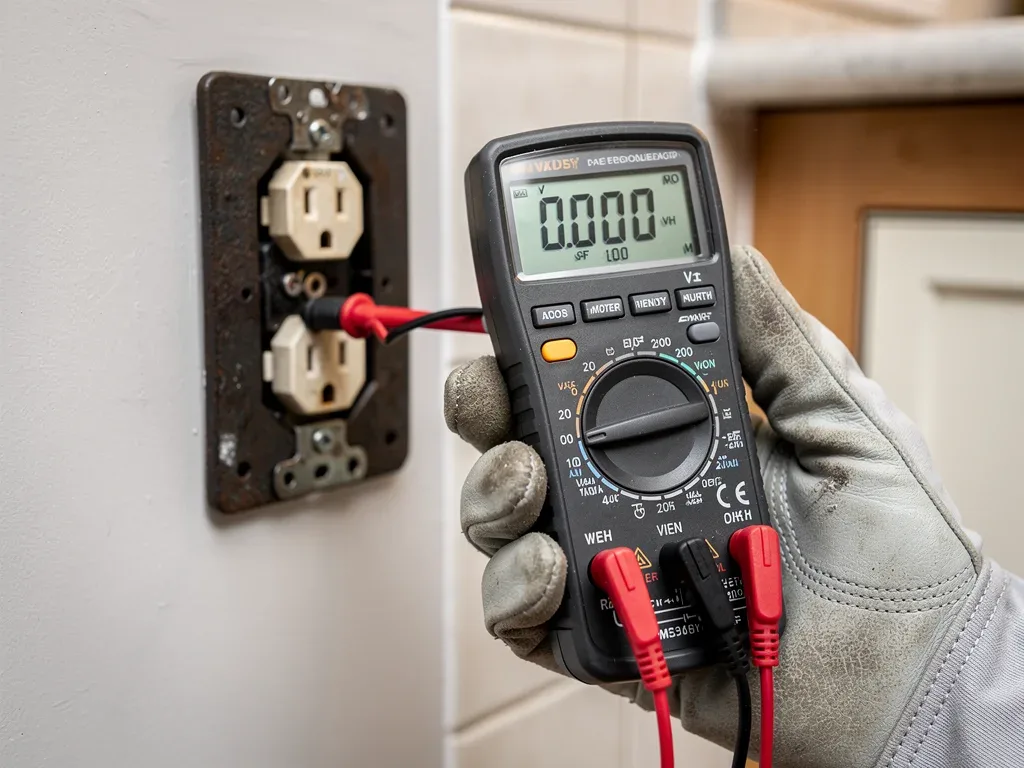
Before the induction range arrives, conduct a final review of all electrical preparations. This pre-installation checklist ensures everything is in order, minimizing delays and potential issues on installation day.
Confirm that the electrician has completed all necessary upgrades, and that any required permits and inspections have been passed. Double-check the circuit breaker rating and the type of outlet installed.
This final verification step is crucial for a smooth and safe installation of your induction range 40-amp appliance. It provides peace of mind and confirms that all preliminary work has been executed correctly.
Ensuring a Smooth Installation Day
On installation day, have all relevant documentation ready, including the induction range's installation manual and any electrical inspection reports. This can assist the installers if they have any questions regarding the electrical setup.
Ensure clear access to the installation area and the electrical outlet. If the old range needs to be removed, make sure it is disconnected and moved safely beforehand. This preparation facilitates a quick and efficient installation process for your induction range 40-amp.
Documentation: Have appliance manual and electrical reports accessible.
Accessibility: Ensure clear path to installation site and outlet.
Old Appliance: Safely disconnect and remove the old range if applicable.
By following this comprehensive checklist, you can confidently proceed with your induction range purchase and enjoy the benefits of modern, efficient cooking without any electrical worries. The induction range 40-amp compatibility is a cornerstone of a successful upgrade.
Key Requirement | Actionable Step |
|---|---|
Amperage Check | Locate circuit breaker for range; verify 40-amp or 50-amp rating. |
Wiring and Outlet | Inspect wire gauge (8-gauge for 40A) and outlet type (preferably 4-prong). |
Professional Help | Consult licensed electrician for load calculation and any necessary upgrades. |
Budget Planning | Factor in potential electrical upgrade costs before purchasing the appliance. |
Frequently Asked Questions About Induction Range Compatibility
Do all induction ranges require a 40-amp circuit?▼
Most full-sized induction ranges, especially those with an oven, require a dedicated 240-volt, 40-amp or 50-amp circuit. However, compact models or induction cooktops might have lower requirements. Always check the specific manufacturer's specifications for the exact induction range 40-amp needs.
What happens if my circuit is not 40-amp compatible?▼
If your circuit is less than 40 amps, using an induction range can lead to tripped breakers, insufficient power for the appliance, or even electrical hazards. It is crucial to upgrade your electrical system to meet the induction range 40-amp requirement before installation to ensure safety and proper functionality.
Can I install a 40-amp breaker myself?▼
No, electrical work involving circuit breakers, wiring, and outlets for high-power appliances like an induction range should always be performed by a licensed electrician. This ensures compliance with safety codes and prevents dangerous electrical issues. Proper induction range 40-amp installation is a professional job.
How do I know if my wiring is sufficient for a 40-amp circuit?▼
For a 40-amp circuit, 8-gauge copper wiring is typically required. For 50 amps, 6-gauge wire is needed. You can often check the wire gauge at the electrical panel or outlet, but it's best to have a qualified electrician inspect it to confirm it meets safety standards for your induction range 40-amp setup.
What is the difference between a 3-prong and 4-prong outlet for a range?▼
A 3-prong outlet combines the neutral and ground wires, which is less safe by modern electrical codes. A 4-prong outlet provides a separate ground wire, offering enhanced safety. New induction range 40-amp installations typically require a 4-prong, 240-volt outlet for compliance and safety.
Impact and Implications
The thorough verification of electrical compatibility, particularly regarding induction range 40-amp requirements, is not merely a technicality; it is a foundational step for home safety and appliance longevity.
Neglecting these checks can lead to significant financial outlays for emergency repairs or, worse, pose serious electrical hazards. Homeowners are increasingly recognizing the value of proactive preparation, transforming the appliance buying process into a more informed decision.
This shift ensures modern kitchens are not just aesthetically pleasing but also electrically sound, ready for the demands of high-efficiency cooking technology.